
Skip to content
  • Free written estimates
  • Local crews
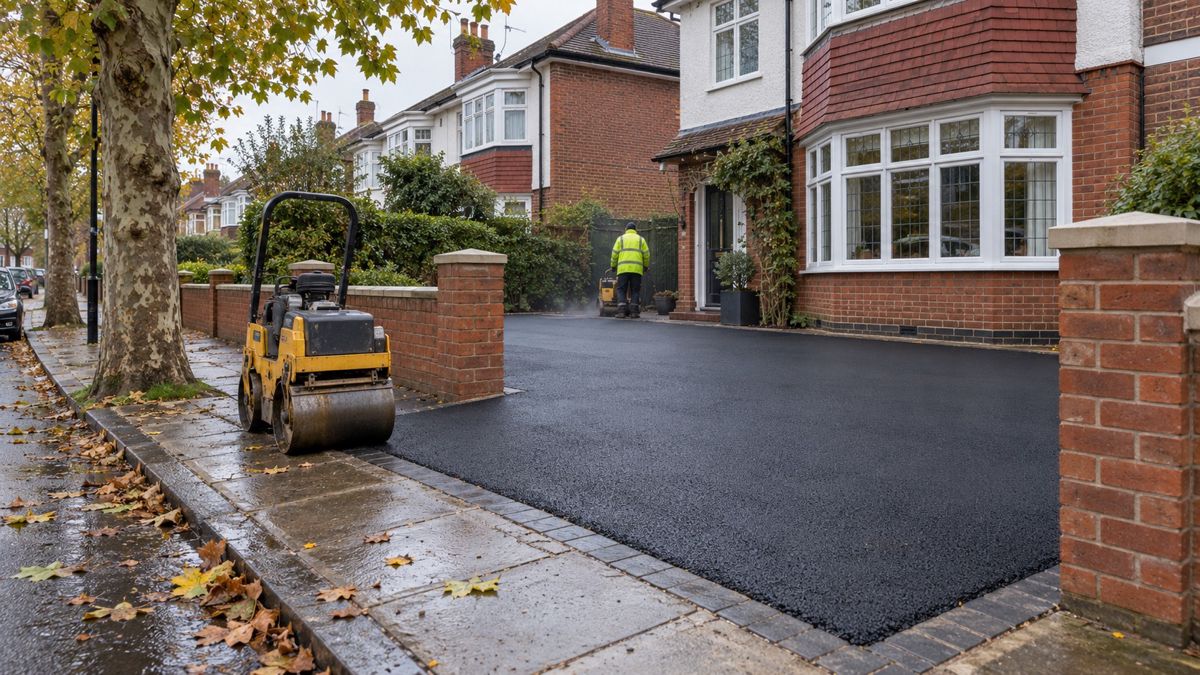
Freshly laid tarmac driveway at a brick semi-detached house in London

Conservation areas and tree-lined roads

Paving contractor for Richmond homes

Careful paving for Richmond's period houses, protected trees and narrow roads. Request a quote and we will confirm availability and what permissions may apply.

  • Written quote after a site visit
  • Plain advice on council rules
  • Home and business surfaces

Step 1 of 3

What do you need?

Free written estimates
Local crews
Clear timelines
Site cleanup included

Paving in a borough that cares how things look

Richmond upon Thames has a high number of conservation areas, historic buildings and well-kept green spaces, with Richmond Park and the river as part of the setting. Georgian terraces, Victorian villas and mansion blocks line many streets, and the council pays close attention to how front gardens and boundaries change.

For an owner, that means paving here starts with appearance and permission. A drive that would be routine in another suburb may need thought about materials, colour and edges, so that it sits well with the house and street.

Protected trees, roots and shaded drives

Trees are part of what makes Richmond attractive, and many are protected by preservation orders or by conservation area rules. Cutting or damaging roots without consent can be an offence, so excavation near a mature tree needs care.

That changes the way a surface is built. Instead of digging deep, a crew may need to use hand tools near roots, lay a shallower build-up or choose a flexible construction that lets the ground breathe. Shade adds its own trouble. Damp, leaf-covered tarmac grows algae and turns slippery. We look at the tree situation first and tell you if consent is sensible before any work.

Paving services we can quote in Richmond

We serve Richmond with each service on this site, and the linked pages go through the work in more detail.

A modest seal or patch may be all a well-kept surface needs, which suits an area where owners value the existing look.

Cost follows the work, and in a borough like this, several things can raise the amount of work.

  • Tidy detail. Neat edges, kerbs and borders take longer than a plain run.
  • Tree protection. Hand digging and a modified build-up near roots add time.
  • Access. Narrow roads, parking restrictions and limited storage slow a crew.
  • Surface choice. Different finishes and aggregates behave differently.

A written quote spells out which of these apply, so you can see where the effort goes.

Ask for samples or photographs of finished work if appearance is a worry, and compare them with the street around you.

Conservation areas, consent and the front garden rule

In a conservation area, changes to front boundaries, walls and gardens may need consent beyond ordinary planning rules. Listed buildings carry extra controls. Ask the council before you commit to a design, and keep any decision in writing.

The general front garden rule applies too: laying more than five square metres of non-permeable surface normally needs planning permission, unless water drains to a lawn or border or the surface is permeable. A new dropped kerb needs highway approval. We can describe what we have found useful to ask the council, and you handle the application itself.

What a Richmond quote request involves

Use the form or call 020 7946 0921. We serve Richmond but are not based there, so a request is how we confirm availability.

  1. Tell us the address and whether the property is in a conservation area.
  2. Mention nearby trees and whether any are protected.
  3. Send photos of the existing surface, boundary and entrance.
  4. We visit to measure and look at levels and access.
  5. A written quote follows with materials, edges and exclusions explained.

Compare it with others and decide in your own time.

We can call you before the visit to go through what to expect, and you can send questions beforehand.

Step 1 of 3

What do you need?

Questions about Richmond

Do I need consent to pave my front garden in Richmond?

Possibly. The size of the hard surface, the type of material and whether you live in a conservation area all matter. Conservation area controls can add requirements beyond the general rule on non-permeable surfacing. Ask the council before you finalise a design and note the answer in writing. A short email to the planning department, with a sketch, often gets a clear answer.

Can you work around protected trees?

We can adapt the method, for example with hand digging and a shallower build-up, but the tree rules come first. If a tree is protected, check with the council before any root cutting. We will not recommend damaging a tree to save time on a paving job. Ask an arboricultural consultant if you are unsure which roots matter.

What colour or finish suits a period house?

That is partly taste and partly planning. Darker, plain tarmac is common and discreet, while block or gravel-style finishes can suit older frontages. Some areas have guidance on materials. We can describe what we lay and you check what the council expects. Samples of aggregate can sometimes be shown at the visit if you ask.

Is tarmac allowed in a conservation area?

It may be, but it is not automatic. Some areas favour traditional materials for front gardens and boundaries. Contact the council, describe the work and ask whether consent is needed. If it is, wait for the decision before work begins. Record the officer's name and the date when you speak to the council.

How do you keep the mess down on a narrow road?

By planning access, keeping loads small and clearing waste promptly. We tell you in advance if a lorry will stand outside or if materials must be carried through. Letting neighbours know the dates also helps. We cannot promise zero disruption, but we aim to keep it short and tidy. Leaving a clear space for deliveries and bins also helps the work finish on time.